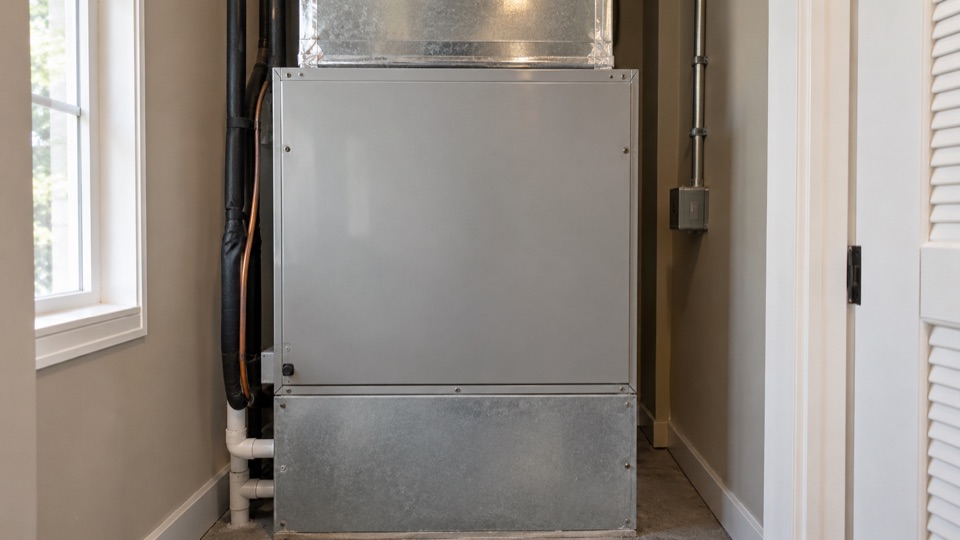
Can a dry-looking electric heater be restarted after water reached it?
Looks alone cannot show that a wet heater is safe. Do not turn on a unit that got wet or may have got wet. Tell the technician what happened and where you saw water.
Record the symptom
From a dry, safe place, describe where water was seen relative to the cabinet. Use photographs taken safely at the time if available. Do not step into standing water, touch the equipment or remove covers to look for a waterline.
Say whether water touched the unit or was only seen nearby. That difference helps frame the visit. A photo taken from a safe place can keep what you saw; do not approach wet equipment to take one.
Plan the access
Say whether there is a dry path to the cabinet and who can allow entry. Keep any report from someone who already checked or cut power to the unit. Follow any instruction to leave it off.
The heater and its power supply may need different trades. Ask who will handle each task before booking. A repair call does not give anyone permission to turn on a wet circuit.
Define the repair decision
Ask which parts got wet and why they need repair or replacement. A dry outer cabinet does not prove the parts inside are safe. The check needs to follow the maker’s instructions and electrical-safety guidance.
If a new heater is advised, ask which part must change. Include any wiring or access work in the plan. Ask the building office about the address and the work; it may be more than a simple parts repair.
Questions about this repair
Does this page say Lakewood Park homes were flooded?
No. It addresses a reported exposure only. A neighborhood drainage notice cannot establish damage at a property.